
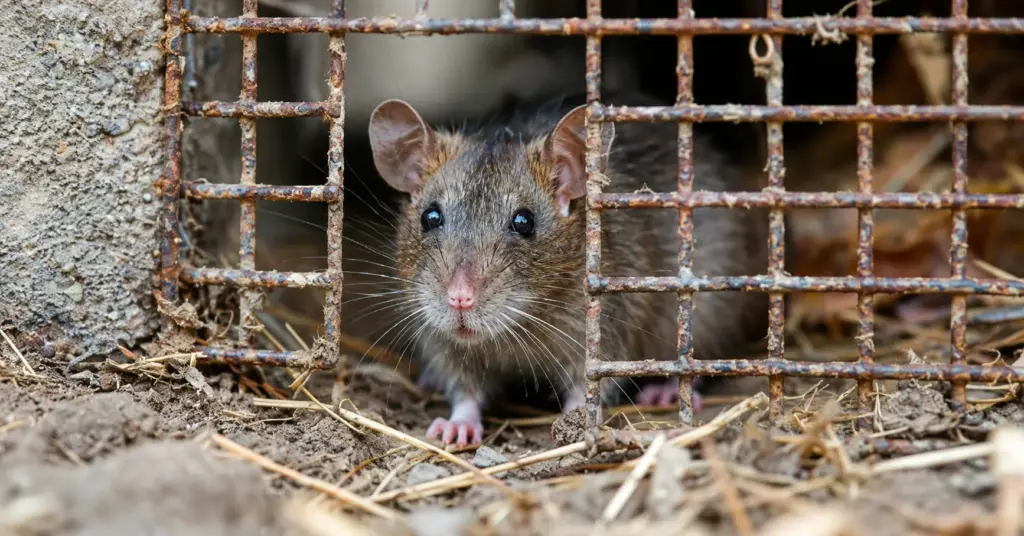
To get rid of rats, remove food, water and hiding spots, set rat-sized snap traps along walls, and seal entry points with chew-proof materials once activity stops. Skip ultrasonic repellers, as they won’t clear an established infestation. If rats persist or you hear them in the roof, call a licensed pest controller for effective rat control.
Hearing rats scratching in your ceiling at night, finding droppings in your kitchen, or discovering chewed food packaging? Rats are cautious, breed quickly and hide in walls and roofs, so the sooner you act, the easier they are to get rid of.
This guide covers how to get rid of rats in your house, which rat control methods work best, how to stop them coming back, and when to call a professional pest controller.
Signs You Have Rats in Your House
Before you start rat control, confirm you really have rats. Look for these common warning signs:
- Droppings: Dark, capsule-shaped, about 10 to 20 mm long, found along walls, in cupboards, behind appliances and in the roof void.
- Scratching or scurrying noises: Usually at night, in the ceiling, walls or under the floor.
- Gnaw marks: On food packaging, timber, pipes, insulation and electrical cables.
- Grease or rub marks: Dark smears along skirting boards and beams where rats travel the same path repeatedly.
- Nests: Shredded paper, fabric, cardboard or insulation tucked into quiet, warm spots.
- Burrows and tracks: Holes beside foundations, under sheds, decking or concrete slabs, and runways through long grass.
- Pet reactions: Dogs and cats sniffing, staring or scratching at walls or ceilings.
- A musty, ammonia-like smell: The odour may become stronger as the infestation grows.
7 Proven Methods to Get Rid of Rats
If you’ve spotted droppings, night-time scratching, gnaw marks or greasy rub marks, don’t wait for rats to settle in. Here are seven practical steps to help get rid of rats in your Sydney home and prevent them from coming back.
Find Where Rats Are Active
Look for rat droppings, gnaw marks, greasy smudges and nesting materials in the kitchen, garage, roof void and around the property's exterior. Check for burrows and gaps around pipes, doors and rooflines. These signs help you identify rat runways and likely entry points.
Remove Food, Water and Shelter
Make your home less attractive to rats by removing easy access to food, water and places to hide.
- Store food and pet food in sealed containers.
- Keep rubbish bins closed and clean up food scraps.
- Fix leaking taps and pipes.
- Remove clutter, fallen fruit and stacked timber near the house.
- Trim dense vegetation around walls.
Removing these attractants makes your home less appealing to rats.
Set Rat Snap Traps Correctly
Use rat-sized snap traps and place them along walls or near confirmed rat activity. Use a small amount of suitable bait, follow the manufacturer's placement instructions, and check traps daily. Keep traps inaccessible to children and pets. Continue monitoring until there are no signs of ongoing activity.
Seal Rat Entry Points
Inspect gaps around pipes, doors, roof tiles, vents and subfloor openings. Seal them with durable, rodent-resistant materials such as metal mesh or cement-based repairs. Check for rats inside before closing active access points to avoid trapping them in walls or ceilings.
Use Rat Bait Safely
Rat poison can harm pets and wildlife, and poisoned rats may die in inaccessible areas. Check current Australian regulations and product labels before using rodenticides. Keep bait secure and inaccessible to children, pets and wildlife. Consider professional rat treatment for persistent infestations.
Clean Rat Droppings Safely
Wear disposable gloves, ventilate the area and disinfect droppings before wiping them up. Never sweep or vacuum dry rat droppings, as this can spread contaminated particles. Dispose of waste securely and wash your hands thoroughly. Seek professional help for extensive contamination.
Prevent Rats From Returning
Keep food sealed, rubbish secured and storage areas tidy. Trim vegetation away from the house, maintain door seals and roof repairs, and inspect for new droppings or entry gaps regularly. If rats keep returning, arrange a professional rat inspection to identify hidden access points.
What Doesn't Work for Getting Rid of Rats?
| Method | Why It Fails |
|---|---|
| Ultrasonic repellers | Little evidence they clear an established infestation. Rats may get used to the sound. |
| Peppermint oil and ammonia | May deter rats briefly, but won't remove rats already nesting. |
| Mothballs | Not effective for rat control, and the fumes can be toxic to people and pets. |
| Poison alone | Rats may die in walls, while bait can put pets and wildlife at risk. |
| One or two traps | A handful of traps may not control a larger infestation, especially when rats continue breeding. |
| Sealing without trapping | Can trap rats inside your home if active access points are closed too soon. |
| Cleaning but ignoring entry points | New rats may enter if gaps and other access points remain open. |
How to Get Rid of Rats in the Roof or Ceiling?
Rats in the roof are a common reason homeowners contact pest controllers in Sydney. Roof rats can nest in warm insulation and travel along beams at night, making them difficult to reach.
- Inspect roof entry points: Look around the roofline, eaves, vents and areas where tree branches touch the roof.
- Position traps carefully: Use rat-sized snap traps near confirmed activity, but only in locations you can access safely.
- Avoid loose poison in the ceiling: Rats may die in inaccessible roof spaces, causing persistent odours and creating additional problems.
- Prioritise roof safety: Never step between ceiling joists without a secure, suitable access platform. Watch for electrical wiring and other hazards.
What If a Rat Dies in the Wall?
A dead rat inside a wall or ceiling can produce a strong, unpleasant smell for one to two weeks or longer, depending on the conditions and how accessible the body is. Here is what you can do:
-
Locate the smell: Carefully check where the odour is strongest to help narrow down the likely location.
-
Remove the body if safely accessible: Wear disposable gloves and suitable protective equipment. Remove the carcass, seal it in a bag and disinfect the affected area according to the product instructions.
-
Manage the odour: If the body cannot be reached, ventilate the room where possible and use an appropriate odour absorber while arranging access if needed.
-
Get professional help: Contact a pest controller if the smell persists, the location is inaccessible or you suspect further rat activity.
How Long Does It Take to Get Rid of Rats?
With the right traps and sealing, a small infestation may be brought under control in 1 to 3 weeks. Larger infestations, or those with an ongoing food source nearby, can take longer and may need follow-up visits.
Weeks is a typical timeframe For a small infestation with effective trapping and entry-point repairs. Results vary depending on the extent of rat activity.
Signs the Rats May Be Gone
- ✓ Traps have remained empty for several nights.
- ✓ Bait or pre-baited food is no longer being touched.
- ✓ There are no fresh droppings and no night-time noises.
When to Call a Professional Rat Controller?
DIY methods may help with a small, early-stage rat problem. Consider calling a licensed pest controller if:
- You see rats during the day, which may indicate substantial rat activity.
- You still find fresh droppings after two weeks of trapping.
- You hear persistent scratching in the roof or walls.
- You cannot safely access the roof void or subfloor.
- There is a dead-rat smell you cannot locate.
- You live in a rental, strata property or unit block where the source may be in a neighbouring property.
- You would rather avoid handling traps or bait yourself.
What a Professional Rat Controller Does?
A technician inspects accessible areas such as the roof void, subfloor, kitchen and property perimeter to identify signs of rat activity, potential nesting areas and entry points. They then recommend an appropriate treatment plan using trapping and other compliant control methods, followed by advice on proofing your home to help prevent rats from returning.
Rats in Your Home? Call Hamro Best Pest Control Today
If you're dealing with rats in your roof, walls or kitchen and want the problem handled properly, our rat pest control team will inspect your property, identify how the rats are getting in, and treat the problem at its source. We'll also explain how to help prevent them from returning.
Call Now: 0420 796 740Call today to book your rat inspection.
Frequently Asked Questions About Rat Pest Control in Sydney
Find answers to common questions about rat removal, rat traps, prevention, roof and ceiling infestations, and professional rat pest control in Sydney.
What is the fastest way to get rid of rats?
The fastest reliable method is rat-sized snap traps placed along active runs, combined with removing food and sealing entry points. Traps may work within days once rats accept them, while sealing and sanitation help stop new rats from moving in.
What is the best bait for rat traps?
Peanut butter is a popular choice, along with nuts, dried fruit and small amounts of pet food. Use a small amount and press it firmly onto the trigger. Place traps where children and pets cannot reach them.
What smell do rats hate?
Strong smells such as peppermint oil may discourage rats briefly, but they do not reliably remove rats that are already nesting. Treat scent-based deterrents as a minor extra rather than a complete solution. Trapping, sealing entry points and sanitation are more dependable ways to control rats.
Do ultrasonic rat repellers work?
Ultrasonic rat repellers are not a reliable way to clear an established rat infestation. Rats may become accustomed to the sound, so trapping, removing food sources and sealing entry points are generally more dependable approaches to rat control.
Can I still buy rat poison in Australia?
Australian rodenticide rules and product availability can change. Restrictions affecting some second-generation anticoagulant rodenticides began on 24 March 2026. Whether a particular product can be purchased or used depends on the product and applicable requirements. Check the latest guidance from the Australian Pesticides and Veterinary Medicines Authority (APVMA) before buying or using rat poison. Always follow the product label and keep rodenticides away from children and pets. A licensed pest control professional can help you choose an appropriate treatment.
How do I get rid of rats in the ceiling?
Find and trap along the roofline entry points and beams, avoid loose poison, and seal gaps once the activity stops. If you can't safely reach the roof void, a professional can do this for you.
Why do I have rats in my house?
Rats come in looking for food, water and shelter. Open food, pet food left out, leaking pipes, clutter, overgrown gardens and small gaps around the roofline all invite them in, and nearby construction can push them toward homes.
How do I know if the rats are gone?
Traps stay empty for several nights, you hear no more night noises, and no new droppings appear. Keep checking monthly for the first few months.
How do I stop rats coming back?
Seal every gap wider than about 1 cm with chew-proof materials, store food securely, keep bins lidded, trim trees back from the roof and keep your yard tidy. Regular inspections catch new activity early.
Are rats dangerous to my family and pets?
Yes. Rats can spread diseases such as leptospirosis and salmonellosis, contaminate food, trigger allergies and gnaw wiring. Always wear gloves and a P2 mask when cleaning up.