
Termite Treatment Cost in Sydney
Termite treatment in Sydney starts from $179 for targeted treatment, while chemical termite barrier installation starts from $1,999 and termite inspections from $159. The final cost depends on termite activity, property size, access and the treatment required.
An inspection helps determine the right solution and provide an accurate quote based on your property's condition, termite activity and treatment requirements.
In this price guide, discover termite treatment costs in Sydney, including chemical barriers, baiting systems and inspections, plus the factors that affect pricing and how to compare quotes before choosing a termite control service.
Termite Treatment Price List: What Each Service Costs?
Compare starting prices for common termite control services in Sydney. The right option depends on termite activity, your property's construction and the level of protection required.
| Termite Service | Best For | Starting Price |
|---|---|---|
| Termite Inspection | Finding out if you have termites and assessing the extent of the activity | From $159* |
| Targeted Termite Treatment | Active termites in one contained area | From $179* |
| Chemical Termite Barrier Installation | Protecting the whole perimeter of your home | From $1,999* |
| Termite Baiting System Installation | Whole-property protection where trenching or drilling is difficult | From $2,499* |
| Barrier Replenishment / Top-Up | Maintaining an existing chemical barrier | From $299* |
Important pricing information: Starting prices only. Your final price is confirmed in a written quote after your property has been inspected.
Termite Inspection Cost: From $159
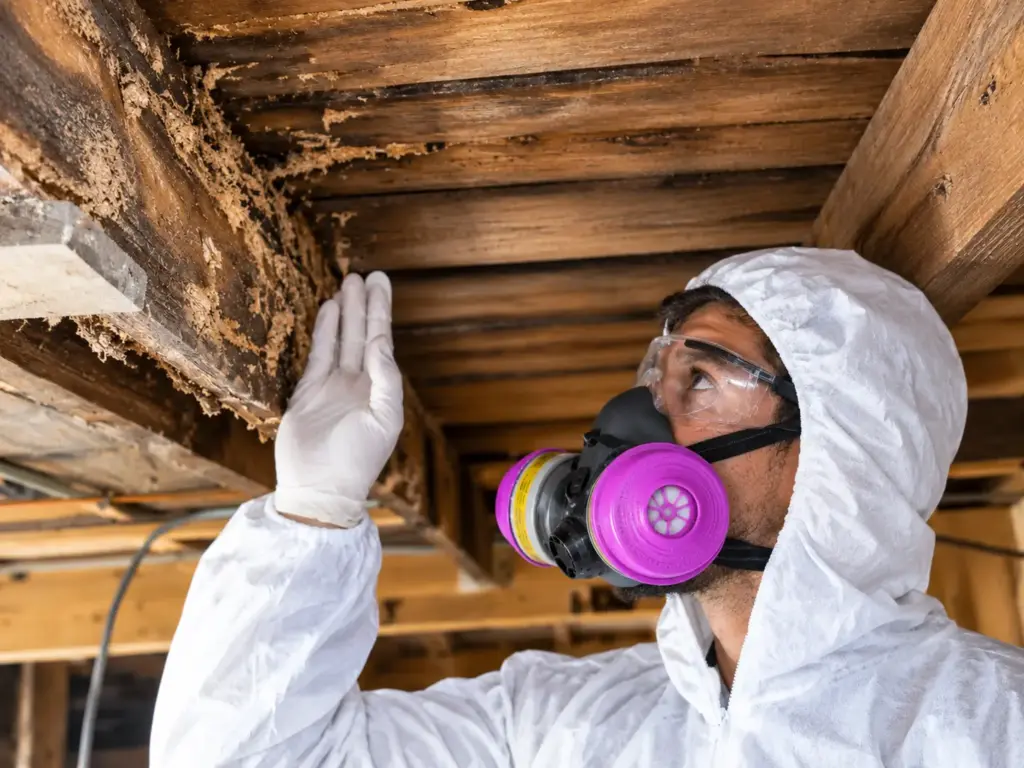
An inspection is the starting point for every termite job. It tells you whether termites are present, how active they are, and which treatment, if any, makes sense for your property.
What Does a Termite Inspection Cover?
A thorough inspection checks accessible areas of your home and surrounding property for signs of termite activity, moisture and conditions that may attract termites.
Two Reasons a Termite Inspection Is Worth the Cost
Termites Are Common in Australia
CSIRO research has indicated that around one in three Australian homes will experience termite attack at some point. Early detection can help reduce the risk of extensive damage to structural timber.
Insurance Usually Excludes Termite Damage
Many standard home insurance policies exclude damage caused by termites and other pests. Check your own policy wording and exclusions. Identifying termite activity early may help avoid much more expensive repairs.
How Often Should You Inspect for Termites?
Australian Standard AS 3660.2 provides guidance on termite management and inspections. Annual inspections are a common recommendation, with more frequent checks potentially appropriate for higher-risk properties. Your inspection schedule should reflect the property's conditions and professional advice.
Targeted Termite Treatment Cost: From $179
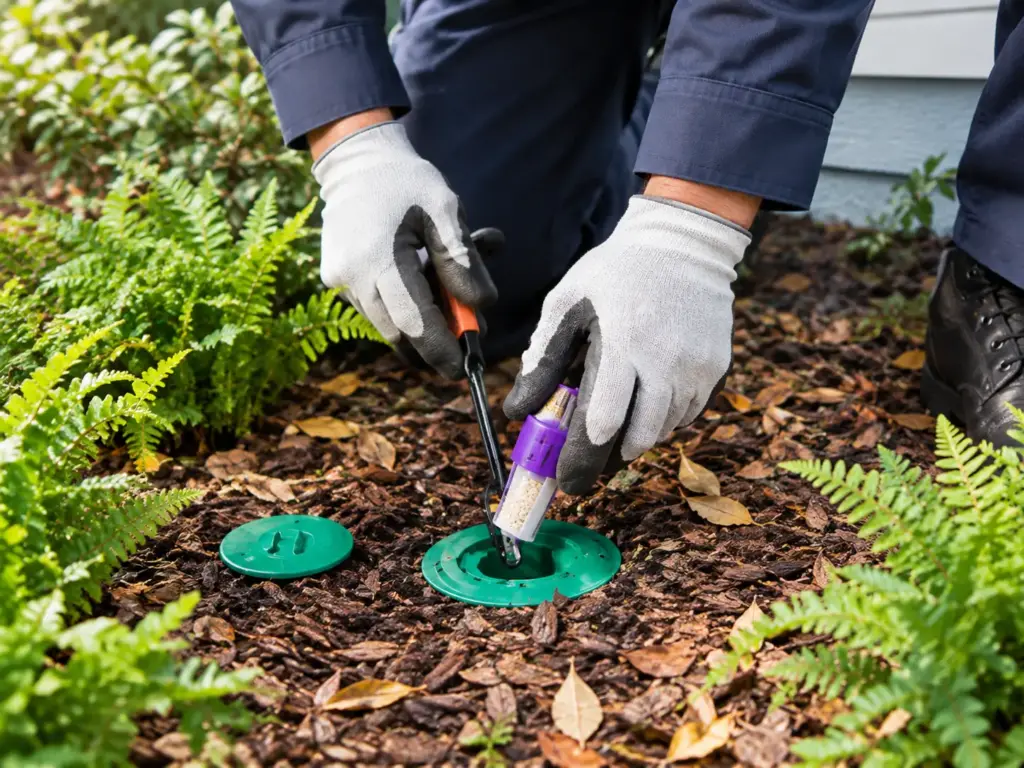
A targeted termite treatment deals with active termites in a specific, contained area. For example, this could be a section of skirting, a door frame, a fence post or a garden structure. The technician applies an appropriate termiticide directly to the identified activity, where suitable.
Examples of Areas That May Need Targeted Treatment
When It Makes Sense
A targeted treatment may be suitable when termite activity is limited to a specific area, the affected location is accessible, and the technician determines that this approach is appropriate after an inspection.
What to Know
Treating one area does not provide whole-property protection or necessarily eliminate the wider termite colony. Your technician may recommend further monitoring, a chemical barrier or a baiting system, depending on the termite species, activity and property conditions.
Before choosing a treatment: Ask your termite technician whether additional protection is recommended for your home. The most suitable treatment and final cost depend on the inspection findings and the extent of termite activity.
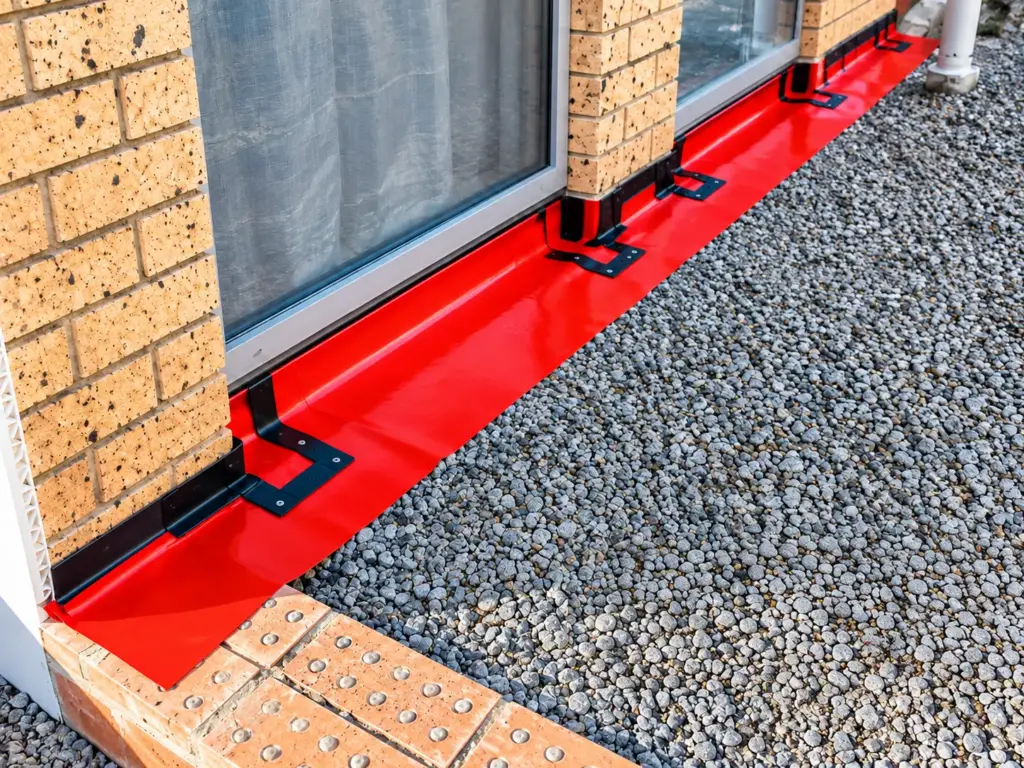
Termite Barrier Cost: From $1,999
A chemical termite barrier creates a treated zone in the soil around your home to help reduce the risk of termite entry. Installation costs depend on the perimeter, site conditions and access.
A chemical termite barrier creates a continuous treated zone in the soil around your home. The termiticide is applied by trenching exposed soil and drilling through concrete and paving. Termites that move through the treated zone may pick up the active ingredient and carry it back towards the colony.
What Affects the Price?
The final installation cost depends on four main factors.
1. Perimeter Length
Larger home perimeters generally require more treated soil and installation work.
2. Concrete & Paving
Drilling through paths, driveways and paved areas can add to the work involved.
3. Soil Conditions
Ground conditions and the required application method can influence the installation.
4. Site Access
Restricted access around the home may affect the time and work needed.
What to Know About Barrier Maintenance
A barrier only works as intended while the treated zone remains effective. Landscaping, paving, plumbing work or soil disturbance can compromise the treated zone. Barriers should be checked and maintained over time. If an existing barrier needs replenishing, the work required depends on its condition and extent.
Before you book: Ask for a written quote explaining the treatment areas, drilling or trenching requirements and recommended maintenance arrangements. Your final price is confirmed after your property has been inspected.
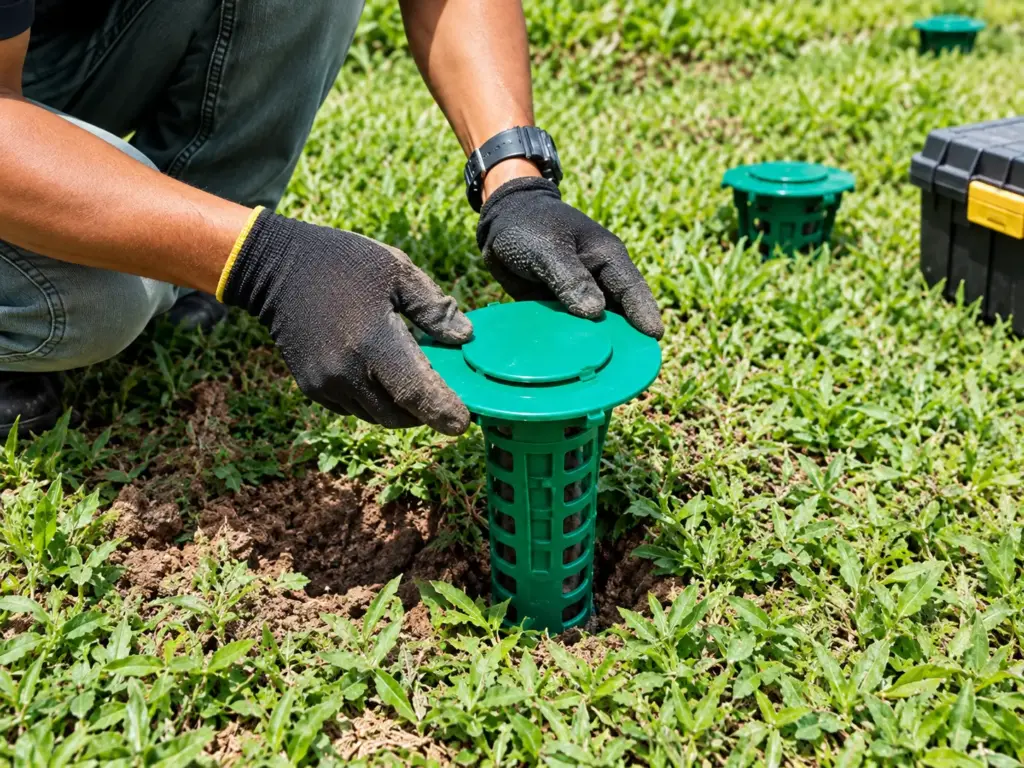
Termite Baiting System Cost: From $2,499
A termite baiting system is an alternative to a conventional chemical soil barrier, particularly where trenching or drilling is difficult.
How Does a Termite Baiting System Work?
Bait stations are installed in the ground around your property. Termites feed on the bait and can transfer it through the colony. Depending on the system and colony activity, control may take weeks to months and requires ongoing monitoring by a pest management professional.
Is Termite Baiting Right for Your Property?
Suitability and long-term costs depend on site conditions, access and the monitoring plan.
When Does Baiting Make Sense?
Baiting can be a good option where trenching and drilling are impractical. Your property's layout and access will help determine whether a baiting system is suitable.
Monitoring and Ongoing Costs
Baiting systems rely on regular monitoring visits to check stations, assess termite activity and replenish bait when required. These ongoing visits may affect the total cost over time.
What to Know Before Choosing Baiting
The starting price may not include every future monitoring visit or bait replacement. When comparing quotes, ask what is included after the first year, how frequently stations are inspected, and whether ongoing monitoring is charged separately.
Before you book: Request a written quote that separates installation costs from monitoring, inspections and bait replenishment. Confirm the service frequency and any ongoing fees so you can compare the total cost of different systems.
Why There Is No Single Price for Termite Treatment
Two homes on the same street can receive very different quotes. The right treatment and final cost depend on the property's construction, termite activity and the work required. Here are the seven main factors that affect termite treatment pricing.
1. Size and Perimeter Length
A larger home has more perimeter to protect, which generally requires more product and labour.
2. Construction Type
Slab-on-ground homes, raised timber floors, townhouses and units require different inspection and treatment approaches.
3. Concrete and Paving
Chemical barriers may require trenching and drilling through hard surfaces. More concrete can mean more drilling time and labour.
4. Property Access
Narrow side passages, retaining walls, dense gardens and tight boundaries can make inspection and treatment more time-consuming.
5. Extent of Termite Activity
A contained area of termite activity may need less work than an infestation affecting several parts of a building.
6. Treatment Method
Targeted treatments, chemical barriers and baiting systems have different costs and are selected according to the property and termite situation.
7. Shared Walls and Boundaries
In townhouses and units, termite activity may extend between adjoining properties, so further inspection or coordinated treatment may be necessary.
Book Your Termite Inspection Before the Damage Starts
Termites eat timber from the inside, and by the time you see the damage, it can already be serious. Spring can bring increased termite activity, making it a good time to find out where your home stands.
Book a termite inspection and get a clear written quote before any treatment work begins. No guesswork, no surprise costs.
3-11 Normanby Road, Auburn NSW 2144
Prices are starting prices only. Final pricing is confirmed in a written quote after an on-site inspection.
Frequently Asked Questions
Find answers to common questions about termite treatment prices, inspections, chemical barriers, baiting systems and ongoing termite protection in Sydney.
How much does termite treatment cost in Sydney?
Targeted termite treatment starts from $179, chemical barrier installation from $1,999 and baiting system installation from $2,499. A termite inspection starts from $159. The final price depends on your property and is confirmed in a written quote after an inspection.
How much does a termite inspection cost in Sydney?
A termite inspection starts from $159. Larger homes or properties with restricted access may cost more.
How much does a termite barrier cost in Sydney?
A chemical termite barrier starts from $1,999. The final price depends on the length of your home's perimeter, how much concrete or paving needs drilling, soil conditions and access. You'll get a written quote after an inspection.
How much does termite baiting cost in Sydney?
A termite baiting system starts from $2,499. The price depends on the size of your property and the number of stations needed. Baiting also relies on regular monitoring visits, so ask what is included after the first year.
Is a chemical barrier or a baiting system cheaper?
A chemical barrier starts from $1,999 and a baiting system from $2,499, so a barrier has the lower starting price. The better choice depends on your property's layout, access and construction. A barrier suits homes with accessible soil around the perimeter, while baiting may suit homes where trenching or drilling is difficult. An inspection comes first.
How long does a termite barrier last?
It depends on the product used, the soil and whether the barrier stays undisturbed. Landscaping, paving or plumbing work can break the treated zone, and barriers need regular checks and occasional top-ups to stay effective. Ask for the product details and warranty terms in your written quote.
Is termite treatment safe for pets and children?
Termite treatments are applied by licensed technicians who follow the product label and safety instructions. Before treatment, tell your technician about any pets, children or sensitive family members, and ask what precautions apply and how long to keep people and pets away from treated areas.
How long does termite treatment take?
It depends on the method and the size of your property. A targeted treatment is usually quicker, while a whole-house barrier or baiting system takes longer, especially if there is a lot of concrete to drill. Your quote will include the expected timeframe.
Does home insurance cover termite damage?
Most standard home insurance policies in Australia exclude termite damage. Check your policy documents or ask your insurer to confirm the cover available under your policy.
How often should I get a termite inspection?
Arrange termite inspections at least once a year as a general precaution, consistent with common termite management guidance. Homes near bushland or with a history of termite activity may benefit from more frequent checks. Your inspector can recommend an appropriate interval.
Can I treat termites myself?
DIY products cannot replicate every professional treatment, and disturbing termite activity may cause termites to relocate within the building. A professional inspection can identify the extent of the activity and help determine an appropriate treatment plan.